
Top Hardscaping Upgrades That Add Instant Value to Your Property
The concept of hardscaping is evolving rapidly, providing homeowners with innovative ways to enhance their outdoor spaces. Hardscaping refers to the non-living elements in landscaping, such as patios, walkways, and retaining walls. By incorporating these structural elements, property owners can create more organized, durable, and visually appealing environments. Upgrading these features enriches aesthetic appeal while boosting practical functionality, representing a worthwhile investment that pays dividends over time for any home.
Paving Walkways and Driveways
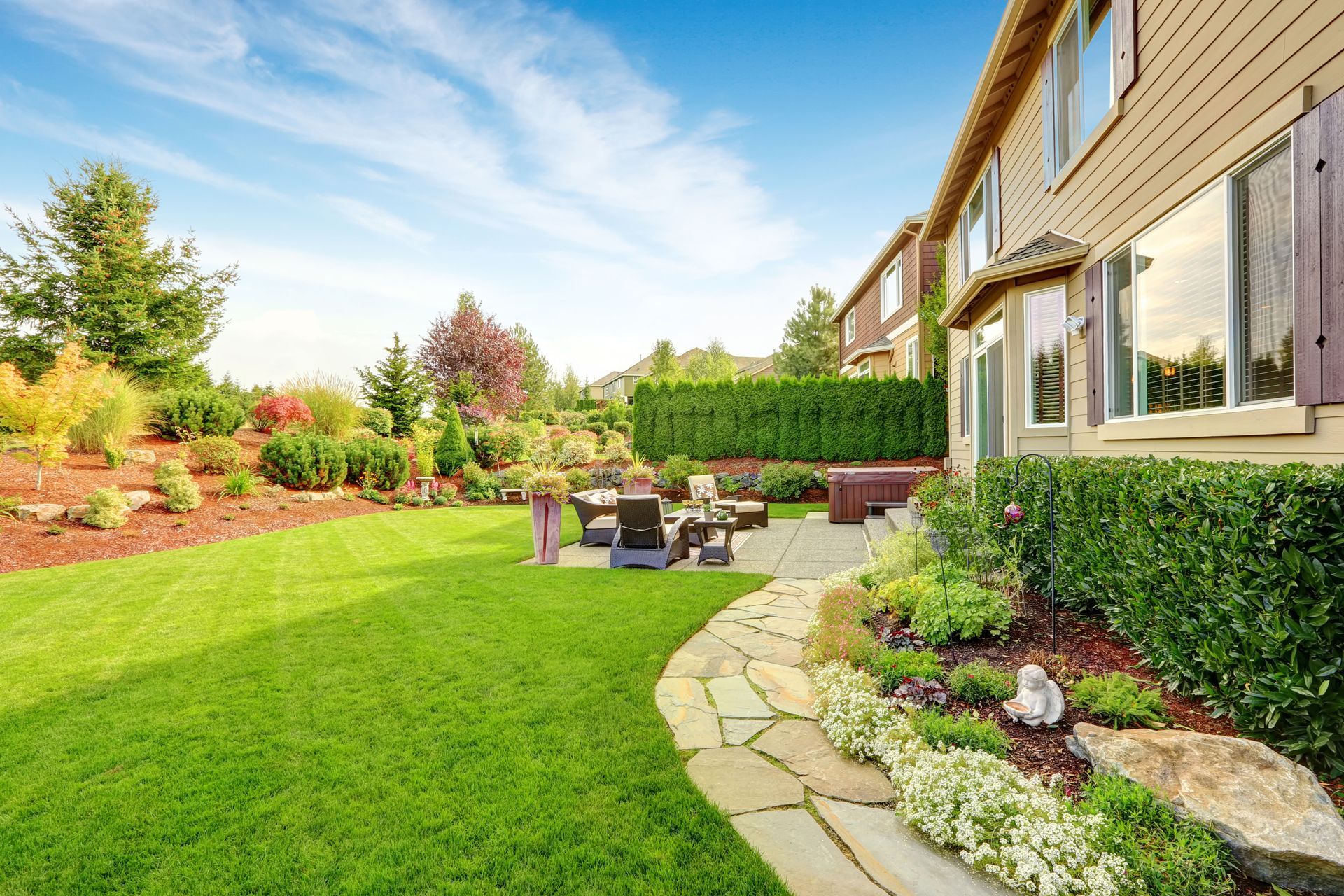
Paved walkways and driveways serve as the primary introduction to a property, immediately impacting its overall curb appeal. A well-designed pathway guides visitors gracefully while providing a smooth, reliable transition across the yard. Additionally, paved surfaces offer essential practical benefits by providing sturdy and safe footing during adverse weather conditions. According to the National Association of Landscape Professionals, about 55% of residential landscaping projects include some form of hardscaping such as patios, walkways, or retaining walls. Partnering with skilled local landscapers ensures these high-traffic surfaces are installed with proper soil compaction, adequate slope, and long-lasting edge restraints.
Material choices directly influence both the lifespan and maintenance requirements of paved surfaces. Concrete offers versatility and exceptional durability against heavy vehicular loads, while natural stone options like flagstone or slate bring an organic elegance to garden paths. Interlocking concrete pavers provide vast design flexibility and allow for straightforward repairs if individual sections become damaged over time. Evaluating the climate, load requirements, and desired aesthetic with qualified local landscapers allows homeowners to make informed material selections that maximize long-term return on investment.
Proper preparation and precise execution are vital for ensuring the endurance of driveways and walkways. Excavation must reach appropriate depths, accompanied by properly layered gravel bases that promote effective drainage and prevent water pooling. Edge restraints and joint sand keep pavers securely locked in place, preventing shifting or weed intrusion over seasonal freeze-thaw cycles. Routine maintenance, such as occasional pressure washing and protective resealing every few years, extends the operational life of these surfaces, preserving both their structural integrity and pristine appearance.
Constructing Retaining Walls
Retaining walls are functional yet visually striking structures that effectively redefine sloped topography within a landscape. These engineered walls provide essential structural support, preventing severe soil erosion and stabilizing unstable embankments across the yard. By managing surface water runoff, retaining walls shield the home and surrounding property from flooding or soil oversaturation. Their practical utility is complemented by their ability to transform unusable slopes into terraced garden beds, converting challenging spaces into standout features.
Design options for retaining walls are exceptionally versatile, spanning traditional to modern architectural styles. Classic materials like natural fieldstone and modular concrete block offer timeless appeal while integrating seamlessly with diverse planting schemes. Modern projects might incorporate timber, poured concrete, or steel structures to create sleek, industrial aesthetics. Integrating native plant pockets or built-in lighting into the wall layout elevates eco-friendliness and visual interest, turning a heavy structural necessity into an inviting vertical garden feature.
Choosing between a DIY effort and hiring experienced local landscapers depends on the overall height and structural demands of the wall. Simple, low-profile garden borders can often be tackled as a DIY project using basic block systems. However, tall walls or structures supporting substantial weight require professional engineering to prevent catastrophic failure. Consulting professional local landscapers guarantees proper base preparation, integrated drainage pipes, and adequate backfill gravel, ensuring the retaining wall stands strong for decades.
Building Outdoor Patios
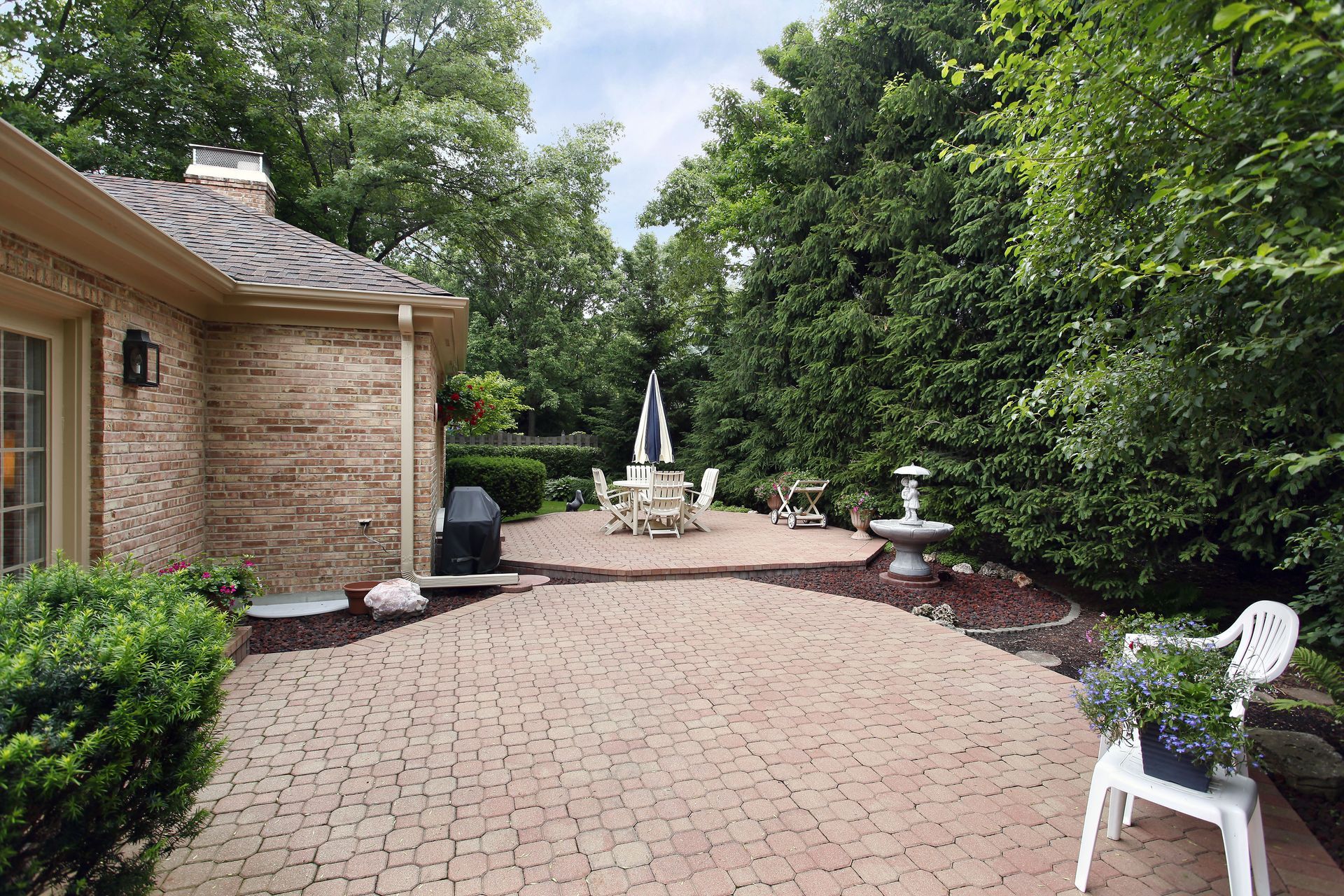
Outdoor patios extend indoor living spaces into the open air, creating functional areas for relaxation, dining, and entertaining. Serving as a smooth transition between the home and garden, a well-built patio functions as an outdoor living room that increases usable square footage. Crafted from resilient materials, patios mirror personal style while matching the architectural tone of the main house. Their tremendous utility makes them one of the most sought-after outdoor upgrades, offering an immediate boost to property marketability and everyday lifestyle enjoyment.
Selecting the right surface material depends heavily on project budget, architectural style, and expected foot traffic. Stamped concrete provides an affordable, highly customizable option that can replicate the luxurious look of natural stone or wood planking. Traditional brick offers a classic, warm feel that pairs effortlessly with historic homes. Natural stone slabs, such as bluestone or travertine, deliver high-end sophistication, staying cool underfoot and blending harmoniously with surrounding greenery.
Functional additions elevate a standard patio into a dynamic hub for family gatherings. Built-in fire pits, outdoor kitchens, and custom seating walls add utility while defining clear zones for dining and conversation. Multi-level patio designs create depth across sloped lots, separating active grill zones from quiet lounging nooks. These custom amenities maximize usability throughout every season, creating memorable outdoor experiences while driving up resale value.
Installing Custom Decking
Decking solutions expand living areas outward, offering elevated vantage points and adaptable entertaining platforms across the yard. Decks create defined zones for dining and relaxation, bridging the gap between indoor comfort and natural outdoor surroundings. Whether built flush with a rear slider or raised over rolling terrain, a custom deck brings functional structure to open yards. By introducing vertical variation and clean structural lines, decking significantly enhances both the aesthetic balance and usable footprint of a home.
Evaluating decking materials requires balancing upfront costs against ongoing maintenance demands and weather resistance. Natural cedar and pressure-treated wood remain classic choices known for authentic warmth, though they require periodic staining and sealing. High-performance composite decking has grown rapidly in popularity due to its extreme durability, splinter-free finish, and resistance to rot, fading, and insect damage. Aluminum and steel frame systems offer contemporary styling and unmatched structural longevity for modern designs.
Thoughtful design and layout are critical to maximizing deck usability and safety. Custom configurations account for sun exposure, traffic flow from interior doors, and sightlines into the surrounding yard. Integrating safety railings, non-slip board textures, and low-voltage LED stair lighting ensures the deck remains safe and accessible day or night. Adding built-in planters, privacy screens, or pergola covers provides shade and shelter, making the deck a comfortable retreat throughout the year.
Integrating Water Features
Garden water features introduce unique character, soothing sound, and natural elegance to outdoor spaces. Fountains, pondless waterfalls, and decorative water bowls act as natural focal points that draw the eye and soften hard lines. The calming sound of moving water masks surrounding neighborhood noise, creating a peaceful ambiance across the lawn. Beyond aesthetics, water features support local wildlife by providing hydration for birds and beneficial insects, infusing vibrancy into residential gardens.
Successful water feature installation requires proper equipment selection and leak prevention measures. Circulation pumps, filtration systems, and durable liners must be sized correctly to maintain clear water and prevent stagnation. Regular maintenance, including seasonal pump checks and biological algae management, ensures the feature operates cleanly and efficiently over time. Professional installation prevents electrical hazards and structural settling, delivering a low-maintenance water sanctuary that enhances everyday relaxation.
Sustainable water designs pair beauty with environmental responsibility by minimizing energy and water consumption. Recirculating systems and rainwater harvesting features capture runoff to maintain water levels naturally. Solar-powered pumps eliminate electrical consumption, lowering operating costs while supporting eco-friendly living. Surrounding water elements with native, drought-tolerant plants reduces irrigation needs and blends the hardscape into the broader landscape, boosting property charm and ecological value.
Investing in thoughtful hardscaping upgrades significantly elevates the beauty, functionality, and financial value of any property. From engineered retaining walls and paved walkways to elegant outdoor patios, these structural additions create organized, inviting spaces for outdoor living. By choosing durable materials and working alongside skilled professionals, homeowners achieve long-lasting enjoyment and strong financial returns. For more information about the services that we offer, reach out to our incredible team at Jersey Landscaping NC today!
Share On: